 family owned and operated for 40 years

Prevent Snow Mold With These Essential Winter Lawn Care Tips
Did you know that part of seasonal lawn care services in Calgary includes prepping your lawn for the winter? Most homeowners don’t realize how much damage snow, ice, and freezing temperatures can do to their lawn.
As we head into the winter months, professional lawn care services are shifting focus to protect lawns in cold weather and ensure they are in good shape for the spring growing season.
One of the most damaging things to watch for is snow mould. Keep reading to learn more about the signs and symptoms of snow mould on your lawn and how to prevent it this winter.
What is Snow Mould?
Snow mould is a fungal disease that affects lawns during winter, typically appearing once the snow melts in early spring. It thrives where snow has accumulated and remained for a long time, especially in areas with high humidity or poor drainage.
How snow mould forms:
Snow mould begins to form when snow covers the grass for a prolonged period, which is not uncommon for cold climates like Calgary. The moist, cool environment creates the perfect conditions for fungi to grow.
What happens when snow mould forms:
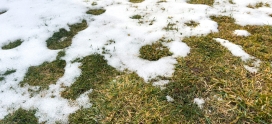
As the snow melts, it leaves behind patches of discoloured, matted grass that may appear gray or pink, often with visible fungal growth on the surface. Gray snow mould is less damaging, and your grass may recover. On the other hand, pink snow mould is more aggressive and can kill grass all the way to the roots.
What Causes Snow Mould on Calgary Lawns?
Snow mould thrives when grass stays cold and damp for long periods without adequate airflow. Calgary’s fluctuating winter temperatures, snow accumulation, and spring thaw can create favourable conditions for fungal growth.
Some common contributing factors include:
- Long grass before winter – Taller grass can become flattened beneath snow, trapping moisture and creating an ideal environment for fungal growth.
- Excess moisture – Poor drainage and melting snow can leave the ground wet for extended periods.
- Leaves and debris – Thick layers of fallen leaves prevent airflow and hold moisture against the grass.
- Heavy snow piles – Snow piled along driveways and sidewalks can take longer to melt, keeping the grass underneath damp.
- Late or excessive fertilization – Too much nitrogen late in the season can encourage tender growth that’s more susceptible to winter disease.
Understanding these causes is the first step toward protecting your lawn before winter arrives.
How to Prevent Snow Mould
Once snow mould appears, it can be hard to fix, so prevention is key.
- Prep your lawn for winter – This prep work can include the last mow in the fall season, which is typically left at 2 to 2.5 inches high. Grass that is left too tall can invite snow mould, and grass that is cut too short can be impacted by the cold weather.
- Fertilize before winter – Professional lawn care services include fertilizing your lawn to keep it nourished during the cold season. However, timing is everything when it comes to fertilizing for the winter. Professionals will know when to fertilize the lawn before the real snowfall sets in.
- Clean your lawn – In Calgary, it’s not uncommon to experience winter months with no snow or warm Chinook weather that melts all of the snow on the ground. Every time the snow clears, be sure to remove debris, leaves, sticks, and other items.
- Some homeowners choose to leave the cleaning when winter is officially over, and the snow is completely cleared. However, if a heavy snowfall comes and buries these objects, they can crush the grass and leave your lawn susceptible to disease.
- Reduce traffic and avoid placing heavy equipment on your lawn – On these warm winter days when the snow has melted, it’s tempting to get in your yard with the kids and play. Keep in mind that this causes more stress on your grass, so we recommend limiting or avoiding foot traffic altogether. If you’re doing work with heavy equipment, avoid placing the equipment on your lawn and instead place it on your porch or patio.
- Avoid mowing the lawn – Grass typically stops growing in late October or early November, depending on the temperature. Your lawn doesn’t need to be mowed during the winter, even if there is no snow on the ground. In fact, mowing the grass too short during the winter can damage your lawn and put more stress on it when the snow eventually comes.
- Regular dethatching – Thatch consists of dead grass and soil that accumulates just beneath the grassy layer. Removing it allows richer soil to provide the nutrients your lawn needs, which helps prevent snow mould and promotes healthy grass growth in the springtime.
- Ensure proper drainage – One of the most effective ways to prevent snow mould is to make sure that melting snow and excess moisture can drain properly. If your lawn lacks proper drainage, moisture will pool and create the perfect environment for snow mould to thrive. Throughout the winter, make sure melting snow is draining as it should.
- This highlights the importance of aeration, improving soil quality, and reducing thatch build-up, all of which are included in professional lawn care services.
- Remove heavy snow piles – If you live in an area that experiences heavy snowfall like Calgary, be mindful when clearing snow from your driveway and walkways. Avoid piling large amounts of snow on your lawn, as these piles can create excess moisture and encourage the development of snow mould.
What Should You Do If You Find Snow Mould in Spring?
Don’t panic if you discover discoloured patches after the snow melts. Mild cases of grey snow mould often improve as temperatures rise and the grass begins actively growing again.
Once your lawn has dried sufficiently, gently rake affected areas to loosen matted grass and improve airflow. Avoid aggressive raking while the ground is wet, as this can cause additional damage.
If some patches don’t recover, overseeding may help restore thin or bare areas. Severe or recurring damage may also require a closer look at your lawn’s drainage, soil conditions, and overall maintenance routine.
Greener Grass, Expert Lawn Care Services in Calgary
When it comes to maintaining a healthy lawn and preventing snow mould, sometimes it’s best to call in the experts. Lawn care can be complex and requires an understanding of soil health, irrigation, pest control, and seasonal treatments.
While DIY treatments may work for some, professional lawn care services and specialists have the knowledge, tools, and experience to tackle tougher issues before they worsen.
Whether you’re looking to keep your lawn healthy year-round or need help tackling a stubborn lawn problem, Greener Grass has you covered. Contact our team today for professional lawn care services in Calgary, and let’s get your grass looking its best when spring rolls around!